



PERSONAL LEGAL SERVICES
Administering a death estate when there isn’t a Will
When administering the estate of someone who has died, the process can be different depending on whether the person who has died made a Will. Where there isn’t a valid Will then the estate will be distributed in accordance with the Intestacy Rules and you might need authorisation from the Probate Registry to administer the estate, this authorisation is known as Letters of Administration. At Frodshams our solicitors are trained to help you navigate the relevant legal process in what can be one of life’s most difficult times.
Estate Administration Guide
Simply click on a heading below to find out more.
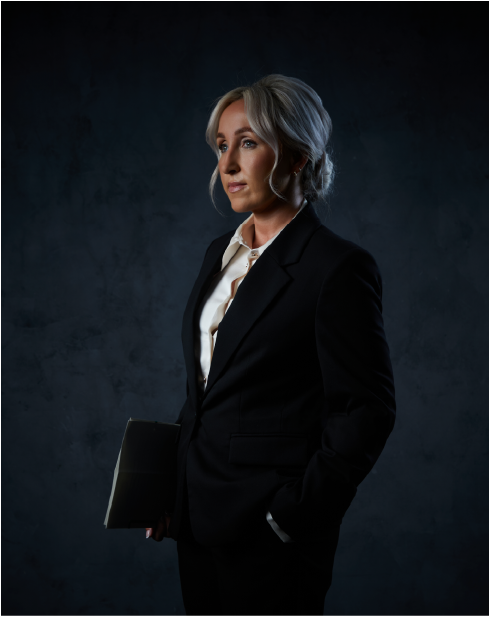
KIRSTY STRONG
HEAD OF PRIVATE CLIENT
TO CONTACT KIRSTY PLEASE
CALL01744 626 600
EMAIL[email protected]
“Our goal is to simplify the process and ease your stress so you feel confident and cared for every step of the way.”
Our dedicated team brings extensive experience in supporting clients and their families through the legal process during some of life’s most trying moments. Led by our Private Client Partner, Kirsty Strong, who has been specialising in this field since 2009, our team handles even the most challenging and intricate cases with professionalism and care. We are here to provide guidance and expertise every step of the way.
TO CONTACT KIRSTY PLEASE CALL01744 626 600
EMAIL[email protected]
